
Recycling & Waste Management, Packaging Solutions

Plastic in the Modern World: Innovation, Convenience, and the Path to Sustainability

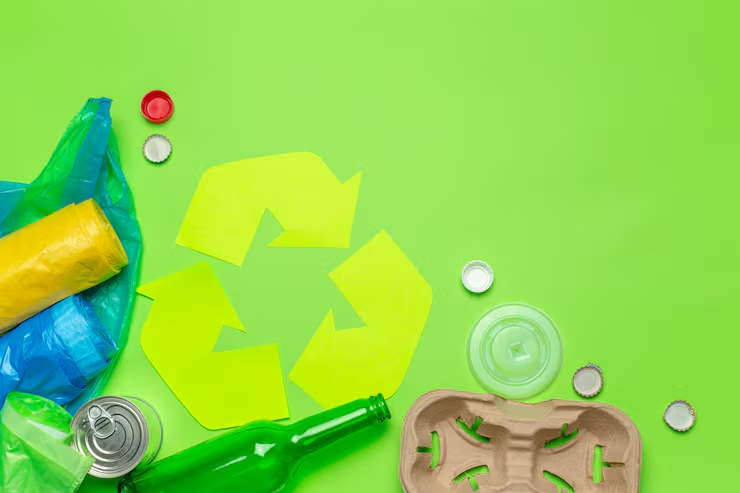
Various recyclable materials on mint background
The importance of plastic is undeniable in transforming the way we live, work, and connect with the world. As a revolutionary material introduced in the early 20th century, plastic has enabled innovations once unimaginable. From life-saving medical equipment to space exploration, plastic is at the heart of countless advancements. However, this convenience brings environmental responsibilities that must be addressed to ensure sustainable use.

Types of Plastics and Their Specific Uses

  • Polyethylene (PE): Used in plastic bags, bottles, and film wraps.

  • Polypropylene (PP): Common in food containers, automotive parts, and textiles.

  • Polyvinyl Chloride (PVC): Found in plumbing pipes, flooring, and window frames.

  • Polystyrene (PS): Used for insulation, disposable cutlery, and packaging.

  • Polyethylene Terephthalate (PET): Mainly used in drink bottles and synthetic fibers.

Understanding these types helps consumers make informed choices about sustainability and recycling.

The Role of Plastic in Modern Innovation

Plastic is more than just packaging material. It is a cornerstone of innovation across various industries:

Plastic is more than just packaging material. It is a cornerstone of innovation across various industries. To discover sustainable plastic packaging options, check out our ChefGo store for eco-friendly solutions.

  1. Medical Breakthroughs
    Plastic components are essential in medical devices such as prosthetics, pacemakers, and sterile syringes. The flexibility and sterility of plastic materials make them ideal for hospitals and clinics. Learn more about the critical role of plastic in daily life in our detailed article: The Importance of Plastic in Modern Life.

  2. Technology & Electronics
    From smartphones to satellites, plastic plays a vital role in insulating wires, protecting delicate components, and shaping ergonomic designs. Explore sustainable packaging that complements innovative tech products at our online store.

  3. Food Safety and Storage
    Plastic packaging helps preserve food for longer, reduces contamination, and improves transport efficiency—contributing to food security globally. Discover eco-friendly food packaging solutions in our ChefGo store.

  4. Renewable Energy
    Wind turbine blades, solar panel coatings, and battery components often rely on high-performance plastics for efficiency and durability. For sustainable packaging that supports renewable energy products, visit our store.

>

  1. Medical Breakthroughs
    Plastic components are essential in medical devices such as prosthetics, pacemakers, and sterile syringes. The flexibility and sterility of plastic materials make them ideal for hospitals and clinics.

  2. Technology & Electronics
    From smartphones to satellites, plastic plays a vital role in insulating wires, protecting delicate components, and shaping ergonomic designs.

  3. Food Safety and Storage
    Plastic packaging helps preserve food for longer, reduces contamination, and improves transport efficiency—contributing to food security globally.

  4. Renewable Energy
    Wind turbine blades, solar panel coatings, and battery components often rely on high-performance plastics for efficiency and durability.

Conclusion

Plastic is both a marvel of modern science and a pressing environmental challenge. Its contributions to healthcare, technology, and daily convenience are immense, yet so are the consequences of mismanagement. Through innovation, responsible consumption, and a global commitment to sustainability, we can reshape the plastic narrative into one of progress and environmental balance.