Environment, Green Technology

The Role of Plastic in the Environment: Importance, Challenges, and Future Solutions

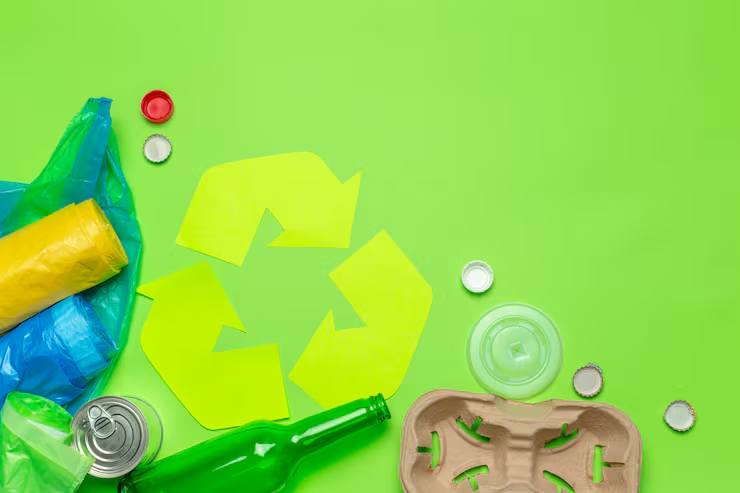
Colorful recyclables on green background.
Plastic in the environment is one of the most widely used materials globally. From packaging to electronics, plastic has transformed industries and everyday life. However, managing plastic waste remains a major environmental challenge. This article explores the importance of plastic, its environmental impact, and promising sustainable solutions.

The Importance of Plastic in Modern Society

Plastic is prized for its versatility, durability, and low cost. It is lightweight, waterproof, and resistant to chemicals, making it ideal for a wide range of applications:

  • Healthcare: Plastics are used in syringes, surgical gloves, IV bags, and countless medical devices. Their sterilizability and single-use nature have saved millions of lives.

  • Food packaging: Plastic helps preserve food, reduce contamination, and minimize waste through improved shelf life.

  • Technology and industry: From computers and smartphones to car parts and aerospace components, plastic enables innovation.

  • Construction: Plastic is used in insulation, pipes, and fittings due to its durability and resistance to corrosion.

Without plastic, many modern conveniences and safety measures would be impossible or far more costly.

Plastic in the Environment: A Double-Edged Sword

Despite its benefits, plastic has become a major environmental concern, especially due to its non-biodegradable nature. Every year, an estimated 300 million tons of plastic waste are produced, with a large portion ending up in landfills, oceans, and natural ecosystems.

Toward Sustainable Plastic Use

The future of plastic in the environment depends on how we choose to produce, use, and dispose of it. Several strategies are gaining momentum globally. To explore sustainable packaging options, visit our ChefGo store for eco-friendly products designed to protect the planet.

1. Biodegradable and compostable plastics

Biodegradable plastics are designed to break down more quickly in natural conditions. While not a complete solution, they can reduce long-term waste accumulation, especially in specific industries like agriculture and food service. Learn more about the innovation behind sustainable plastics in our detailed article: Plastic in the Modern World: Innovation, Convenience, and the Path to Sustainability.

2. Recycling and circular economy

Recycling plastic reduces the need for virgin materials and lowers energy consumption. However, only about 9% of plastic produced globally is recycled. Increasing recycling rates and designing products for reusability are essential steps toward a circular plastic economy. Discover eco-friendly packaging products that support recycling efforts in our online store.

3. Eco-friendly alternatives

Materials like glass, metal, paper, and plant-based bioplastics are emerging as alternatives to conventional plastic. These eco-friendly substitutes can replace single-use plastics in packaging and consumer goods. Explore our range of sustainable packaging solutions available now at the ChefGo store.

4. Policy and public awareness

Governments around the world are banning or taxing single-use plastics to reduce environmental damage. Public awareness campaigns are also playing a crucial role in encouraging consumers to make sustainable choices. For more insights on sustainable plastic use and its future, read our comprehensive article Plastic in the Modern World.

Conclusion: Finding a Balance

Plastic is both a modern marvel and an environmental threat. Its importance in healthcare, technology, and everyday life cannot be ignored, but neither can the damage it causes when mismanaged. The key lies in finding a balance — embracing innovation while adopting responsible practices that protect our planet. By investing in biodegradable plastics, improving recycling systems, and supporting eco-conscious policies, we can ensure a more sustainable future. The journey toward better plastic management starts with awareness, action, and accountability.